Because even superheroes sometimes need legal advice.
 Picture this: You’re window shopping in downtown Chicago, when suddenly The Hulk leaps out of nowhere and body-slams one of Dr. Doom’s alien robots through the roof of your brand-new Toyota. Moments later, Spider-Man swings by, apologizes politely, and then uses your shattered windshield as a springboard to launch himself at a fleeing super-villain. And lurking nearby is Batman, glowering in silence because, as we all know, he’s legally required to glower.
You’ve just stepped out of Starbucks with your grande caramel nonfat latte and now you’re standing on the sidewalk, staring at your car… or what used to be your car… thinking to yourself:
“Ok, so… who pays for this?”
Welcome to the strange, legally questionable, property-destroying world of comic book superheroes. Let’s put on our legal capes and explore what would really happen if their dramatic heroics took place in a world with courts, statutes, and insurance adjusters who are absolutely not paid enough to deal with this kind of nonsense.
Can a Superhero Be Held Personally Liable?
Can You Sue Thor for Throwing His Hammer Through Your Townhome?
Short answer: maybe. Long answer: have fun serving civil process on a guy who lives in Asgard.
Under the law, a person who damages property or injures another person—even while trying to help—can usually be held financially responsible for negligence if they failed to act with the level of care that a reasonable person would have had in the same circumstances. If I were to accidentally back my car up onto your lawn and run over your garden gnome, I’d be responsible. But with superheroes, the legal analysis gets… trickier.
- Reckless acts - Iron Man crash-lands onto your garage while trying out a new un-tested version of his suit. Liable
- Intentional acts - Hulk picks up your electric bike and hurls it at a villain to stop his escape. Liable
- Negligent acts - Captain America frisbees his shield through your living room, carefully and strategically, but still knocks over your computer. Liable
- Acts committed while saving lives - Courts sometimes protect good-faith rescuers. But Hulk’s idea of “rescue” typically involves collateral damage measured in square blocks. So, it depends. Maybe liable
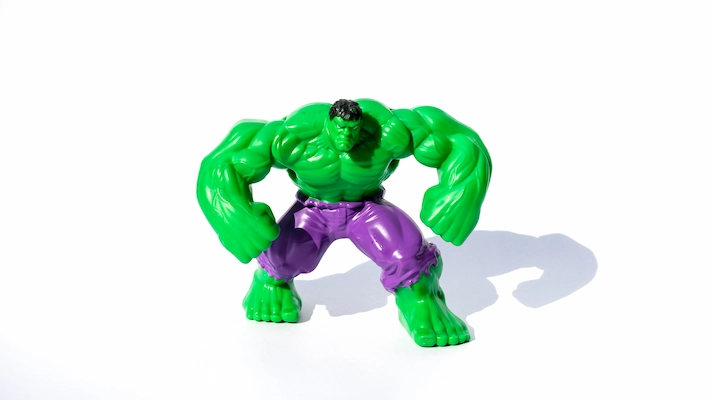
And let’s be real — collecting a monetary judgment from a superhero might be impossible. Batman has a lot of money and assets; Hulk has purple pants. Choose your defendant wisely.
Can a Superhero Be Held Criminally Liable?
Could Wonder Woman Be Charged With Criminal Damage to Property?
In theory, yes, superheroes could be charged if they damage property or injure another person, just like the rest of us mere mortals.
Imagine this courtroom conversation:
- Prosecutor: “Your Honor, the defendant used a magic lasso to pull the “L” Train off its tracks and destroy public infrastructure.”
- Wonder Woman: “It was an emergency! The train was full of parademons and headed towards a cosmic portal!”
- Judge: “Still counts.”
Depending on the situation, almost any violent encounter with a supervillain involves acts that might meet the definition of a crime, including battery, assault, damage to property, disorderly conduct, child endangerment, or murder (even if the wrongdoer deserved to be vaporized).
Of course, there are defenses that may be available at trial. If the superhero’s destruction or injury saved a bus full of children, prevented an alien invasion or stopped the Joker from turning the Sears Tower into an evil funhouse of death, their actions may be deemed justifiable under the “defense of necessity” or “defense of others”. The prosecutor’s office and the police also have the discretion to just not charge a crime in the first place. After all, if the police started charging the Hulk with a crime every time he damaged something, the Cook County courts would have nothing on their docket but Hulk arraignments.
Are Superheroes Considered Law Enforcement?
And If So, Are They Immune from Prosecution?
Here’s where things get complicated, because some superheroes seem to operate as official governmental agents:
- The Green Lantern Corps: Basically, part of a universal police force
- Judge Dredd: He’s Judge, jury and executioner
- The Avengers: They seem to work for a government department called S.H.I.E.L.D.
If a superhero is legally deputized—meaning that the government recognizes them as acting under state authority—then they may receive certain legal protections similar to police officers:
- “Qualified Immunity” for reasonable use of force
- Legal protection when making split-second decisions in emergencies (called exigent circumstances)
- The ability to detain or arrest villains
What is “reasonable” under the circumstances makes a big difference here. If Spider-Man webs your car to a lamppost to stop it from being stolen, that sounds pretty reasonable. But if he webs it just because villains tend to drive Teslas and he therefore thought it looked suspicious? Sounds less reasonable.
Unofficial vigilantes, such as Batman, are usually not considered law enforcement, despite in his case his case a close relationship with Commissioner Gordon and Sgt O’Hara. All of which raises uncomfortable questions about Gotham Police Department’s willingness to outsource most of its crime-fighting to a billionaire in a bat suit.
Do Superheroes Have Insurance?
Does State Farm Cover Acts of Hulk?
Imagine explaining an act of superhero-related destruction to your claims adjuster and trying to get your damage covered and reimbursed. Insurance policies are specifically written with exclusions that already keep normal people up at night (floods, earthquakes, falling satellites, acts of God, etc.) and these exclusions offer your insurance company a convenient way to deny your claim.
That is, unless your loss was created by a superhero with certain specific policy provisions such as:
- Professional liability insurance (protects professionals in performance of their job)
- Property damage riders (especially for superheroes with destructive powers)
- Intergalactic battle coverage (premiums likely to increase after each alien invasion)
Realistically though, only Tony Stark, Batman, and Black Panther would likely have the financial resources to purchase such policies. So, if you have the bad fortune of being injured or having your property damaged by one of the many non-billionaire superheroes, you may be out of luck.
Insurance adjusters always seem to look for any opportunity to deny claims. So, when Thor shows up, hammer crackling with lightning, yelling that he’s literally the son of Odin, you can bet that they’ll try to deny your claim on the basis of “acts of God”.
Of course, your own insurance might still cover damages… unless your insurer decides that a magical super-villain attack counts as a “war-like event,” which most people’s policies would exclude. Good luck arguing that Loki is not technically a foreign military power.
So… Who Ends Up Paying?
“Hulk say me have no insurance. Hulk no want to file bankruptcy!”
In a comic book world, damages might be paid by:
- The superhero (if they have proper insurance or sufficient assets)
- The super-villain (if captured… and not vaporized)
- City or state governments (if superheroes are considered agents)
- Your own private insurance (if the carrier doesn’t faint after reading your claim)
But in the real world, the rules remain the same: whoever is liable, negligent, or legally responsible should pay—subject to the same defenses, immunities, and insurance considerations we deal with every day.
Conclusion: With Great Power Comes Great… Property Damage
Superheroes save lives, defend the universe, and defeat villains bent on global destruction. But in their wake, they leave shattered buildings, flattened vehicles, scorched landscapes, and confused insurance agents.
So next time you see the Human Torch throw a giant fireball in your direction, you might want to:
- Step back.
- Get your camera ready.
- Call your insurer.
- And maybe ask yourself whether adding “superhero damage coverage” to your policy is worth the extra few dollars a month.
After all, you never know when Thor might mistake your Honda for an incoming enemy hovercraft.